A garage you can use again
Separate keep, donate and discard groups before choosing a container. Boxes take space differently from shelving, furniture and dense material.
Plan a garage cleanout rental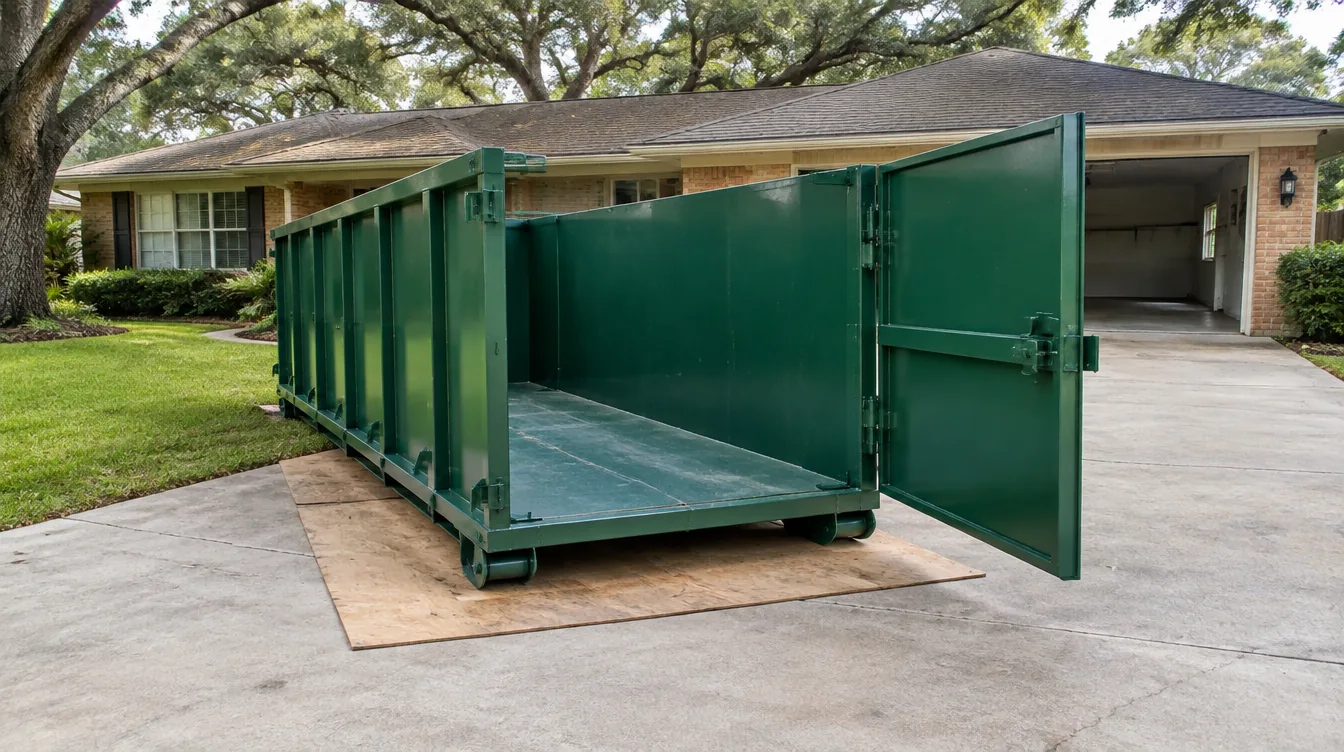
Dumpster rental in Spring Branch gives your cleanup a container you load, with collection arranged through the rental. Loading assistance is arranged separately.
A dumpster gives a cleanout or remodeling project one place for accepted material. You can sort a garage, work room by room, or collect renovation debris during the rental period in your quote. Delivery and collection are part of the rental arrangements; carrying and loading are your responsibility or a separate arrangement.
That distinction matters when you search for junk removal. If you need someone to carry furniture from a room, a crew-loaded hauling service is a different offer. If you have a loading plan and need a container for an ongoing cleanup, a self-loaded dumpster rental can be the better match. Describe the work first so the quote addresses the service you need.
Separate keep, donate and discard groups before choosing a container. Boxes take space differently from shelving, furniture and dense material.
Plan a garage cleanout rentalArrange disposal while keeping moving vehicles, household access and belongings you intend to keep clear of the loading route.
Plan moving cleanupList cabinets, wood, flooring and drywall separately. Concrete and dirt need a different load plan, and asphalt roofing and shingles are excluded.
Plan a remodeling rentalProperty managers can also plan a rental-property cleanout around authorized contents removal, contractor access and the next stage of the turnover.
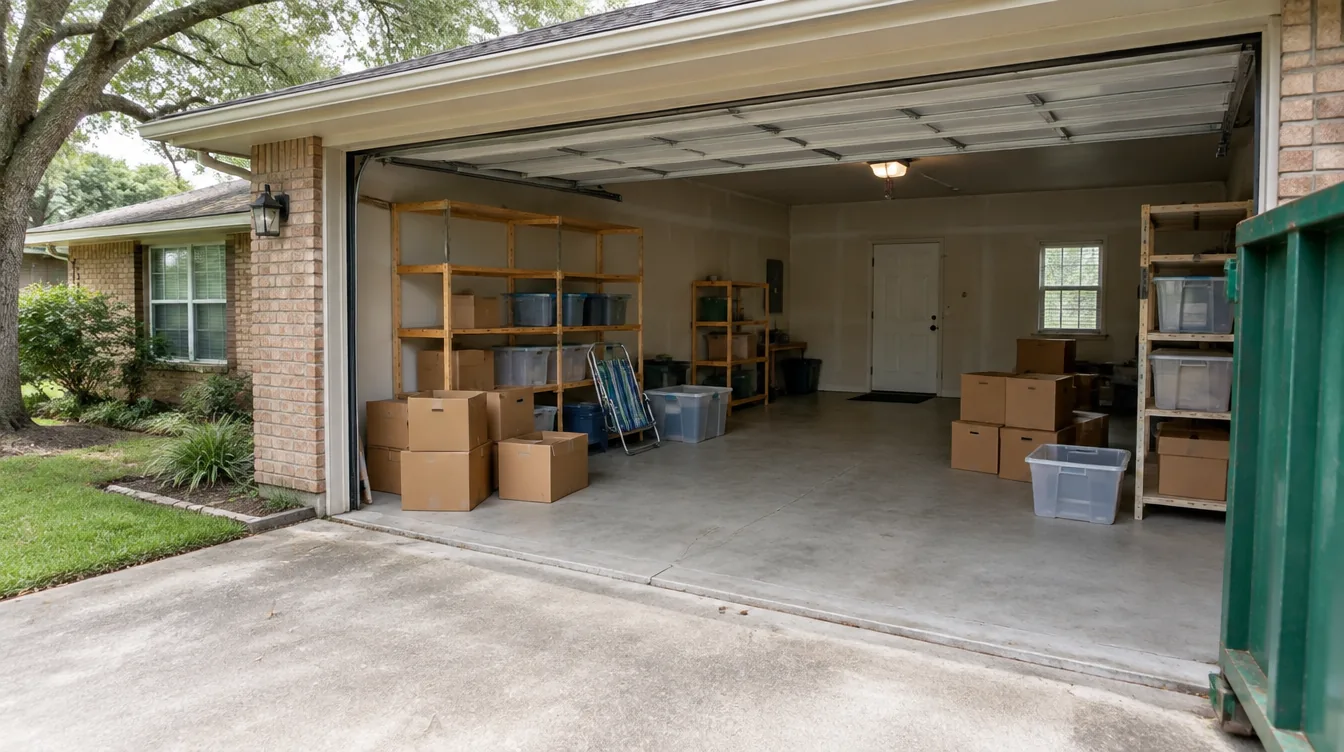
Start with the items and their approximate amount, then compare the container footprint and side height. A larger nominal volume does not automatically allow a heavier load. Dense debris can reach a material or transport limit while substantial air space remains.
The published 12 yard option is 10 feet long, 8 feet wide and 4 feet 6 inches high. The 20 yard option is 16 feet long with the same published width and height. A 30 yard container is 18 feet long, 8 feet wide and 6 feet high. These are planning dimensions, not the full space a delivery truck needs.
A lower-sided container can make hand loading easier; a taller option provides more room for bulky accepted material. Compare the dumpster sizes, then describe the exact driveway or proposed placement. Gates, parked vehicles, overhead obstacles and rear-door swing can change which setup works.
A useful rental quote starts with the project address or ZIP, what you will load, approximate quantity, expected timing and proposed container location. Photos can make a mixed pile easier to describe when discussing the project, but identify unusual items individually rather than assuming everything visible belongs in one load.
Compare the agreed container, rental period, delivery and collection arrangements, material restrictions and disposal allowance. Ask for any applicable excess-weight, extra-time, relocation or additional-collection terms in the written quote. A headline price is difficult to compare when those parts differ. The rental cost guide explains why an ordinary household cleanup and a dense material load can require different pricing.
Your request starts a rental discussion. Keep your preferred delivery date separate from an arranged delivery until the material, location, access and terms are settled. If loading help is needed, include that in the request so it can be addressed separately before the container arrives.
Asphalt roofing and shingles, whole used or scrap tires, liquids and paint cans, gases or compressed chemicals, hazardous or medical waste and carcasses are excluded from the rental load. Set these apart during sorting, before they become mixed through boxes or renovation material. A container is not a route for emptying a shed of unidentified chemicals.
Furniture, appliances, fixtures and unusual contents need specific identification and acceptance review. An appliance can involve refrigerant, a utility connection or another handling requirement beyond simply finding enough space. Describe it by type and condition. Concrete and dirt require the designated 16 yard setup and its material-specific fill limit, rather than a household container filled to the rim.
Read what can go in a dumpster before loading. For material outside the rental scope, Houston's household hazardous waste and other specialized disposal programs may provide a suitable route, subject to their current rules.
Choose a proposed location that keeps the loading route practical and preserves access needed by people, vehicles and emergency responders. The container's length and width do not include the delivery truck's approach, unloading movement or the rear door when open.
Share surface conditions, driveway slope, gates, overhead wires or branches and any shared parking. Public-street placement is different from permission to use your private driveway; resolve the relevant property and public requirements before delivery. A photo of the full approach is more useful than a close-up of an empty rectangle.
Keep material below the top rail or any lower material-specific limit and leave the collection route clear. The delivery preparation guide and loading guide explain the practical sequence.
Spring Shadows, Shadow Oaks, Binglewood and Westview Terrace are among the neighborhoods that make up Spring Branch in Houston. Long Point and the surrounding road network connect the wider area, while the loading space and approach at your own property shape the rental plan. Include the actual location and proposed container position so the quote addresses the place where the work will happen.
Residential streets, apartments and commercial corridors create different placement and shared-access situations. Give the actual property location and explain who controls the space. Use the Spring Branch service-area guide to identify the right neighborhood, then include the actual property location and proposed placement with your request.
Before renting, it can also be useful to separate items suitable for donation and compare eligible Houston heavy-trash collection with a private container. The right choice depends on material, address eligibility, labor and timing, rather than the size of the pile alone.
Start with the materials, project ZIP and proposed container location.
The rental is self-loaded. Carrying and loading assistance is arranged separately; include that need when describing the project.
Compare the 12 and 20 yard options for smaller cleanouts and the 30 yard option for larger bulky projects. The actual material, amount, side height and property access determine the selection.
Asphalt roofing material and shingles are excluded. Keep them separate from other renovation debris.
Yes. Include your preferred timing in the request. The rental quote and follow-up will establish availability, material requirements and delivery arrangements.